Your $120 discount is sss applied — save on your first month and get started now!

Discover your doctor‑guided weight‑loss plan—take our quick quiz.
No fad diets or punishing
workouts
Please answer the following questions so we can qualify you for medical weight loss.
What is your height and weight?
Feet
Inches
 We calculate your Body Mass Index (BMI) so our
doctors can build a safe, personalized plan to help you feel your best.
We calculate your Body Mass Index (BMI) so our
doctors can build a safe, personalized plan to help you feel your best.
What is your goal weight?

This could change everything.
Based on your inputs, your potential results show meaningful progress — and it’s closer than you
think.
Perfect!
Losing lbs is easier than you think-and it doesn't involve restrictive diets or exercise.
Research shows GLP-1 therapies can lead to different weight-loss outcomes for women and men.
Please answer the following questions so we can qualify you for medical weight loss.
Are you male or female?
Are you currently pregnant, breastfeeding or planning to become pregnant?
What is your date of birth?
Month
Day
Year
Your Medical Review
0.00
BMI
0.00
lbs
Current Weight
200 lbs
within 00 weeks
Goal Weight
You are a strong candidate for medical weight loss with a 94% chance of successful treatment if qualified.
Let's proceed to check your eligibility.
Your information is never shared and is protected by HIPAA.
What matters most to you right now?
What’s your main goal with GLP-1 treatment?

Please answer the following questions so we can complete your medical weight‑loss qualification
Please check all current or past medical conditions:
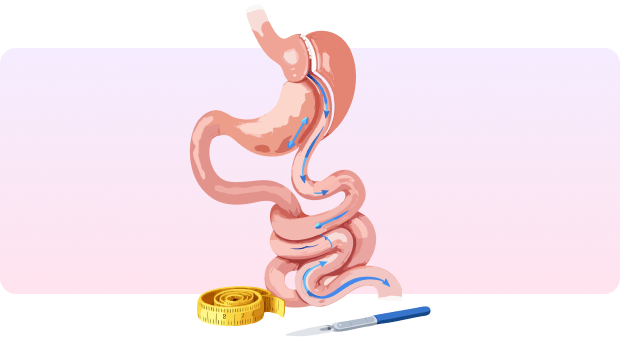
Have you had a gastric bypass in the past 6 months?

Are you allergic to any of the following?
Your goals are personal. Your treatment should be too.
Let’s tailor your GLP-1 experience to your goals.
How will GLP-1 work for you?


- Week 1 – 4: Your body gets acclimated to GLP-1 medication
- Week 4 – 8: Weight loss is increasing more and more
- Week 9+: Your body has become a burning machine
We identify the root causes of your metabolic issues, so you get a long-term solution, not just another quick fix.
Are you currently, or have you in the past two months, taken any of the following medications
Great! You have experience with GLP1.
When did you last take your prescribed weight loss medication?
Great! You have experience with GLP1.
Great! You have experience with GLP1.
Are you currently using a brand name medication (like Wegovy or Zepbound) or a compounded version?
Great! You have experience with GLP1.
Great! You have experience with GLP1.
How would you like to continue your treatment?
Great! You have experience with GLP1.
How are you responding to your medication?
Great! You have experience with GLP1.
Do you have a photo of your current prescription? We need this image to verify your current dosage. If we’re unable to confirm your prescription, we can only offer the starting dose.
If you are requesting a prescription for your current or higher dose, this is important. If you don't have a photo available, you can skip this.
Do you agree to only obtain weight loss medication through this program moving forward? *
It's important not to "stack" weight loss medications
Do you have other information to share or questions for the doctor?
Provide details here
Treatment Consent & Health Information Verification
Please review your submission.
Our first priority is your safety. Based on your answers, we can not prequalify you for a prescription.
If you've made a mistake, please review your answers and update where appropriate.
Thank You
Your safety is our number one priority. We're sorry we couldn't approve you for a prescription today.